Global Market Dynamics on 8003575129, 1164645751, 923049453, 2157167766, 631483306, 648185705
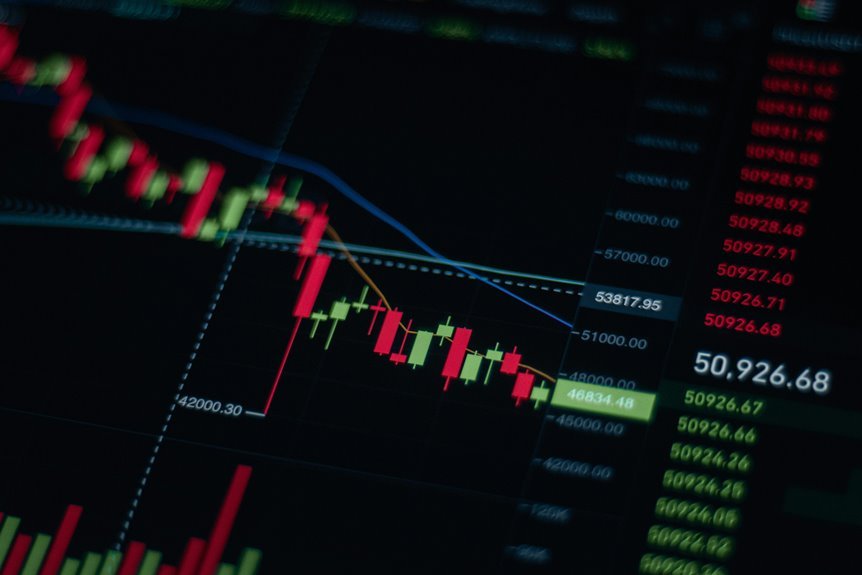
Global market dynamics are increasingly shaped by a confluence of geopolitical tensions, rapid technological progress, and evolving trade patterns. Recent events indicate that these factors are not only influencing market performance but also altering asset valuations across various sectors. Investors are compelled to adopt more sophisticated risk management strategies. The question remains: how will these shifting dynamics create new opportunities or exacerbate existing challenges in global commerce?
The Influence of Geopolitical Events on Market Performance
As geopolitical tensions escalate, markets often react with heightened volatility, reflecting the intricate relationship between global events and economic performance.
Geopolitical risks, such as economic sanctions and unresolved conflicts, significantly influence investor sentiment, driving fluctuations in asset prices.
Trade agreements can mitigate these risks, fostering stability and encouraging conflict resolution, while heightened volatility underscores the need for investors to remain vigilant in unpredictable environments.
Technological Advancements and Their Impact on Asset Valuation
Geopolitical tensions can create an environment of uncertainty, prompting investors to seek stability in more predictable sectors.
Technological advancements in asset technology significantly influence valuation methods, enhancing accuracy and efficiency.
As algorithms and data analytics evolve, they provide deeper insights into asset performance, allowing for more informed investment decisions.
Consequently, investors can better navigate fluctuating markets and optimize their portfolios amidst global volatility.
Analyzing Trade Patterns and Their Effects on Global Commerce
While global trade patterns are influenced by a myriad of factors, their effects on commerce can be profound and far-reaching.
Trade imbalances often exacerbate market volatility, creating uncertainty that affects investment decisions. Understanding these dynamics is essential for stakeholders seeking to navigate the intricate landscape of global commerce, as shifts in trade flows can signal opportunities or risks in emerging markets.
Future Trends and Opportunities for Investors in Global Markets
A growing number of analysts are identifying transformative trends that are set to reshape global markets in the coming years.
Emphasis on sustainable investing is gaining traction, particularly in emerging markets, presenting unique opportunities.
Investors are increasingly prioritizing risk management and portfolio diversification strategies to navigate volatility.
These shifts indicate a robust landscape for those seeking innovative avenues in a rapidly evolving economic environment.
Conclusion
In navigating the complexities of global market dynamics, investors must remain vigilant, as the landscape is fraught with both perils and prospects. By understanding the interplay of geopolitical events, technological advancements, and shifting trade patterns, stakeholders can position themselves to capitalize on emerging opportunities. As the saying goes, “forewarned is forearmed,” and a proactive approach to risk management and sustainable investing will be essential for thriving in an unpredictable environment.